Erasmus+ KA210-ADU · March 2025 – August 2026
From Waste to Art
Textile Waste and Traditional Handicrafts
Turning textile waste into skills, creativity and opportunities.

Funded by
the European Union
The project
Waste becomes skill, skill becomes opportunity
From Waste to Art brings together environmental sustainability, traditional handicrafts and inclusive employment. Through international cooperation, practical training and creative reuse, the project explores how textile waste can be transformed into useful products while developing new skills and employment opportunities for disadvantaged adults.
Official project title
Environmentally Friendly and Innovative Employment Opportunity for Disadvantaged Adults: Traditional Handicraft Practices with Textile Waste
Erasmus+ (glossary) KA210-ADU (glossary) | Small-scale Partnerships in Adult Education
Project No: 2024-2-TR01-KA210-ADU-000266615
Project Period: March 2025 – August 2026
Funded by the European Union.
Project label
- Programme
- Erasmus+ (glossary)
- Action
- KA210-ADU (glossary) · Small-scale Partnerships in Adult Education
- Project No
- 2024-2-TR01-KA210-ADU-000266615
- Period
- March 2025 – August 2026
- Partners
- 6 organisations in 4 countries
- Countries
- Türkiye, Romania, Italy, France
Made with care in Europe
What we stand for
Five threads running through the project
Circular economy
Keeping materials in use for longer instead of throwing them away.
Inclusive education
Learning that is open to every adult, including persons with disabilities.
Traditional skills
Handicraft techniques passed on across generations and borders.
Sustainable future
Less textile waste and more care for the environment.
New opportunities
Practical skills that can lead to social and economic participation.
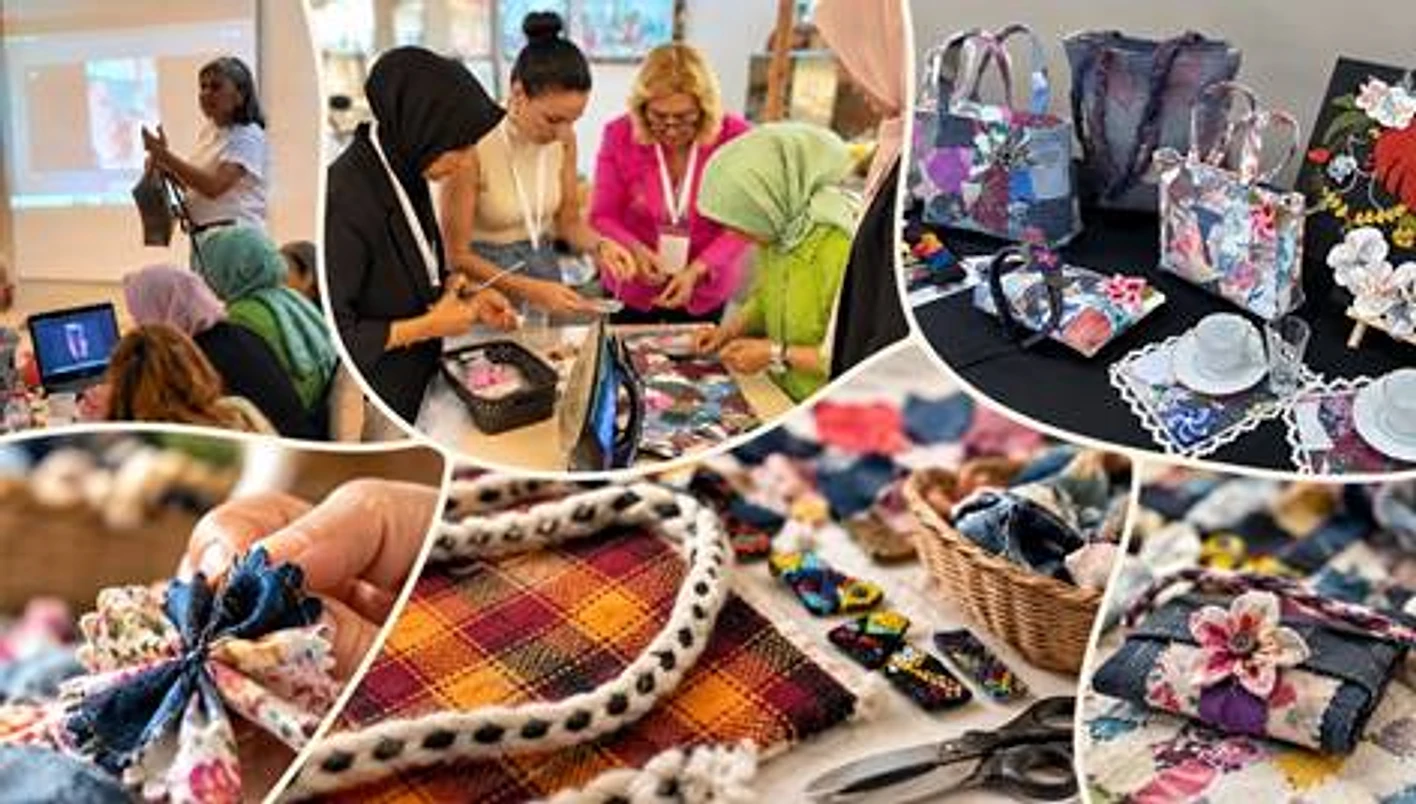
From scraps to products
Hands-on learning with traditional techniques
Participants explore how textile waste can be given a new life through traditional handicraft techniques while developing practical skills that can support social and economic participation.
Explore
Find out more
- Who We AreAbout Beyazay, the project coordinator.
- Project PartnersThe six partner organisations in four countries.
- Project TeamThe people who worked on the project.
- ActivitiesTraining activities in Türkiye, Italy and France.
- Training VideosOpen-access videos on reusing textile waste.
- ContactHow to reach the project coordinator.